What we tested, what it rests on, and what it does not prove.
A report that hands you a number and no method is asking you to take its word for it. This page is the method: what a machine settles, what a person has to look at, and where we stop.
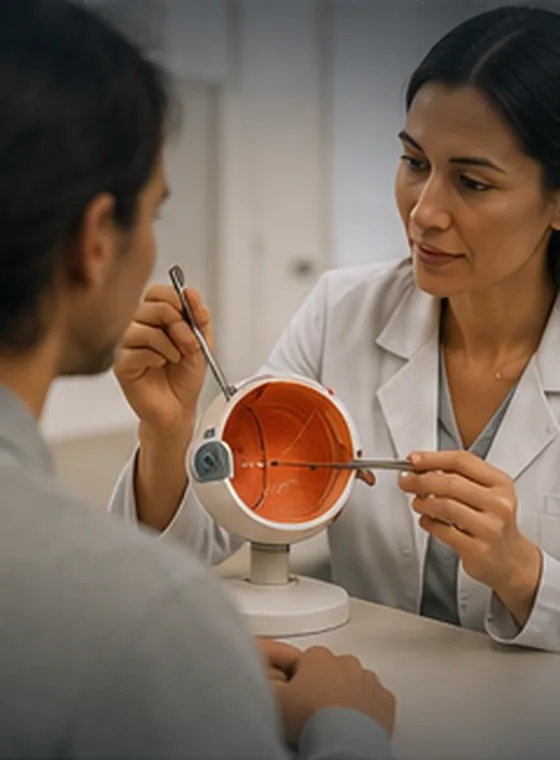
How does OptiSite verify the work it reports?
Every finding names what was tested and what it is based on — a WCAG 2.2 AA success criterion, published search guidance, or an OptiSite patient-experience recommendation. Checks a machine cannot settle are flagged for a person and never recorded as a pass, and a clean automated result is reported as nothing found, not as proof of conformance.
Get My Free Audit- Every finding names its tool and its source
- Machine-settled, person-settled and advisory are labeled separately
- A clean scan is reported as nothing found, not as proof
- Read a complete sample report (PDF)
Each layer answers what the one before it could not.
A scanner cannot tell you whether tab order makes sense to a blind patient, and a person cannot check four thousand items by hand. Naming which layer produced a finding is what lets you tell a measured failure from a judgment call — and tell both from a guess.
Three different things, and they are not interchangeable.
Most website reports blur these together and present the total as one score. Yours keeps them apart, because they carry different weight.
A machine reads the pageAutomated inspectionThe crawler opens every page it can reach and tests the things software can settle on its own — a missing image description, an unencrypted form, a broken link, a page that loads too slowly.
- Runs on every page the crawler can reach, not a sample
- Each finding names the tool that produced it
- Repeatable — your web team can run the same tools and get the same answer
A browser uses the pageInteraction checksSome things only fail when something is actually clicked. A real browser presses the buttons and follows the links to see where a patient ends up.
- Book and Call buttons are followed to the page they land on
- Keyboard-only movement is attempted through the page
- A blocked step is recorded as observed, with the selector that failed
A person looks at the pageHuman reviewThe checks no scanner can settle. These appear in your report as items needing review — never counted against your site, and never counted as passes.
- Whether tab order makes sense to someone who cannot see the screen
- Whether a button's visible label matches what a screen reader announces
- Whether an error message tells a patient how to fix the problem
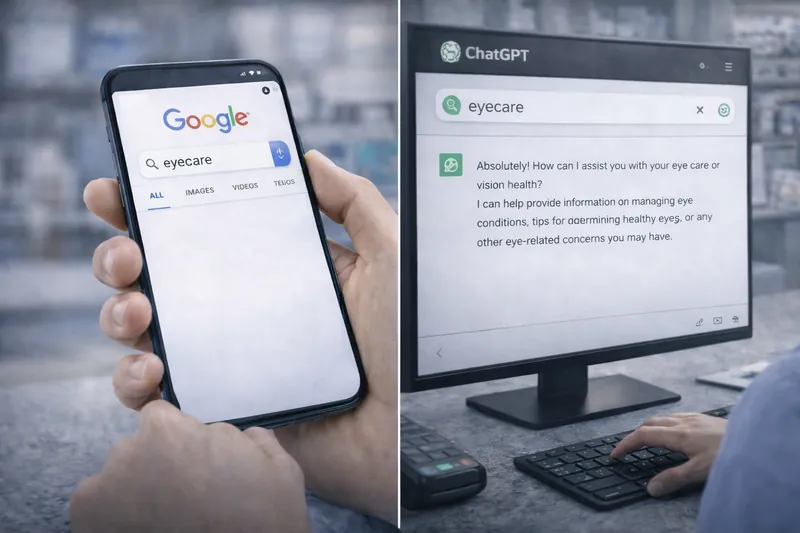
Four different kinds of authority, labeled as such.
A missing form label breaks a published accessibility rule. A thin service page does not. Both are worth fixing; only one of them is a standard. Your report says which is which, so you can tell a legal exposure from our opinion about what works.
What each finding rests on.
Accessibility criterionWCAG 2.2 Level A and AAA specific success criterion from the published W3C standard, named by number, with the pages it failed on. This is the category the lawsuits are about.
- Level AAA is not assessed and is not required by law
- The criterion number is printed on the finding
- Scope is the pages the crawler reached, stated on the report
Published search guidanceGoogle's own documentationSomething a search provider has documented publicly. Following it makes your pages easier to understand. It does not buy a position, and we do not present it as one.
- Guidance, not a guaranteed ranking factor
- Google's own documentation says the same core practices apply to its AI results
- No proprietary formula is claimed anywhere in your report
Patient-experience recommendationOptiSite's judgmentOur opinion, built from watching how patients move through eyecare websites. Booking above the fold, insurance answers that do not require a phone call, a portal link that goes where it says.
- Labeled as our recommendation, not an external requirement
- You are free to disagree with any of it
- Never presented as a law, a rule or a ranking factor
AdvisoryEmerging, unsettledIdeas the industry is still arguing about — new file formats for AI assistants, conventions nobody has standardized. Worth knowing about. Not counted as a failure.
- Kept separate from measured failures
- Does not affect your score
- Flagged so you can decide for yourself
What your report does not establish.
Every one of these is a claim someone in this industry will make to you. None of them is one we will.
It is not a certificate of complianceAccessibilityA clean automated result means we looked for that problem and did not find it on the pages we reached. Conformance is a judgment about a whole site, and part of it can only be settled by a person.
- Nothing found is not the same as proof
- We do not issue certifications and neither can a scanner
- Items needing a person are listed, not quietly passed
It is not a promise of trafficSearch and AIWe can remove what is blocking search systems from understanding your practice. Where you then rank, and whether an assistant names you, is their decision.
- No ranking is promised anywhere in your report
- Readiness is measured; visibility is not predicted
- Nobody can guarantee an AI recommendation, including us
It is not a count of lost patientsFindingsA finding can establish that a patient hit an obstacle. It cannot tell you how many patients left because of it, and we will not invent a dollar figure to make the point land harder.
- Observed obstacles, not modeled revenue
- No projected patient counts appear in your report
- The occurrence count is places found, not people lost
It is not an independent auditWho ran itWe run the audit and we build the rebuild, so we benefit if you say yes. We show you the verifiable audit anyway, with the tool named on every measured finding.
- Re-runnable by your own web team
- Same engine, same rules, on your site and on the one we build
- If our rebuild scores worse somewhere, it shows
When the problem is not on your website.
Your scheduler, your portal and your payment pages belong to other companies. We can show you exactly what a patient runs into, and we can fix how your site hands them over. We cannot rewrite code we do not control, and a vendor's failure does not move your obligation onto them.
More on this page's topic
Is this an independent audit?
Does a clean result mean my website is ADA compliant?
What does a person actually look at?
Can you guarantee a Google ranking or that an AI assistant names my practice?
What happens when the problem is not on my website?
Do you re-check the site after it is built?
See the method on your own website.
The free audit runs the same way this page describes, on the site you have now. No card, no obligation.